🎙️

Make Your Phoenix Website AI Ready in Seconds

Make Your Phoenix Website AI Ready in Seconds

AI agents are starting to crawl the web the same way browsers do, except they do not need your CSS, your hero animations, or your tracking pixels. They need text. Clean, structured, semantic text. If your site only speaks HTML, the agent has to render, parse, and guess. If your site speaks markdown when asked, the agent gets exactly what it needs in a fraction of the tokens.

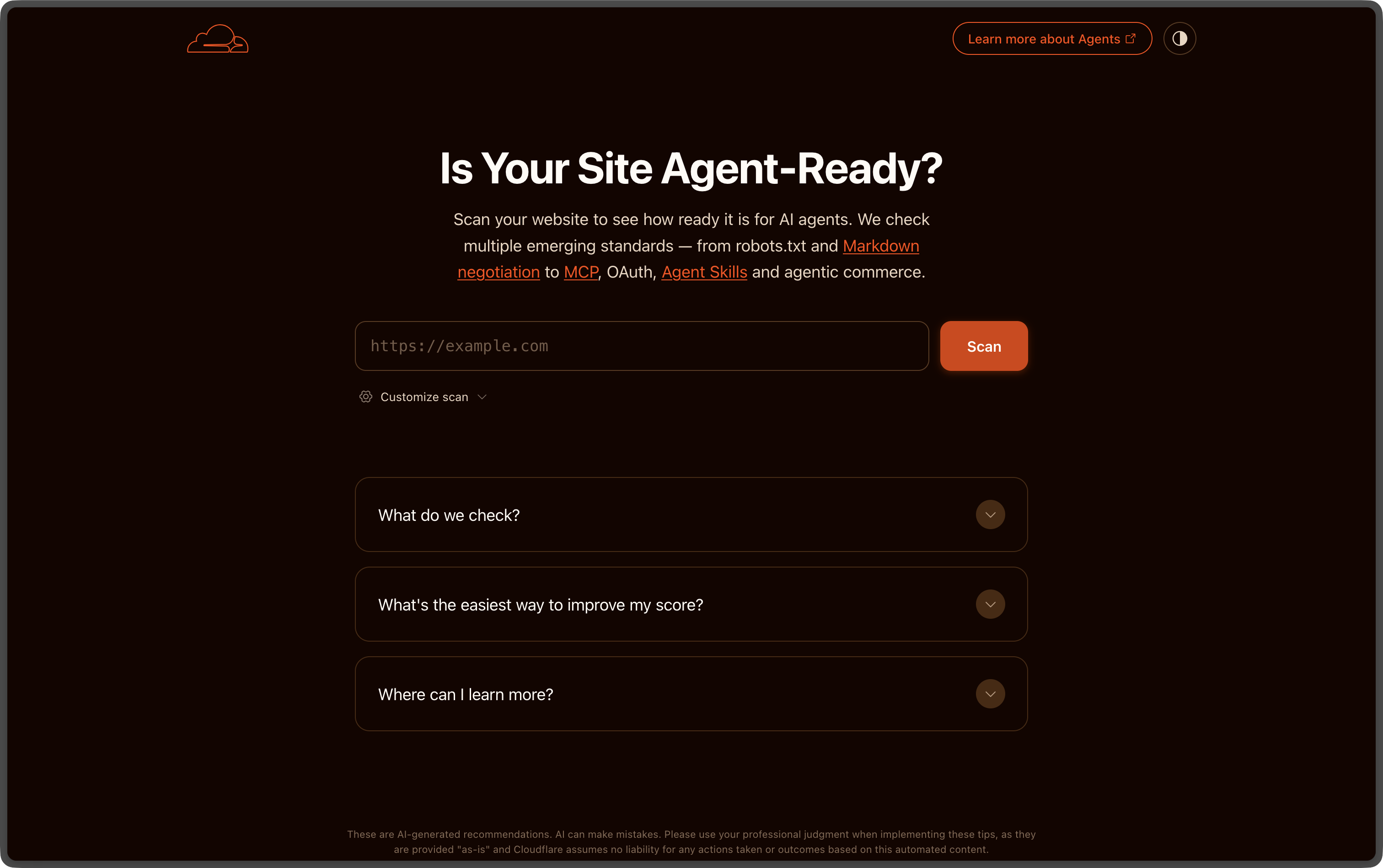
isitagentready.com is a small validator that checks your site against a growing set of “agent skills”. One of the most useful checks is markdown content negotiation: when a client sends Accept: text/markdown, your server should respond with markdown instead of HTML, on the same URL.

This post shows the exact Plug we use on this Phoenix app to pass that check, in well under a hundred lines of code.

Read more →

Broadcast Grade Color Scopes in Phoenix LiveView

Broadcast Grade Color Scopes in Phoenix LiveView

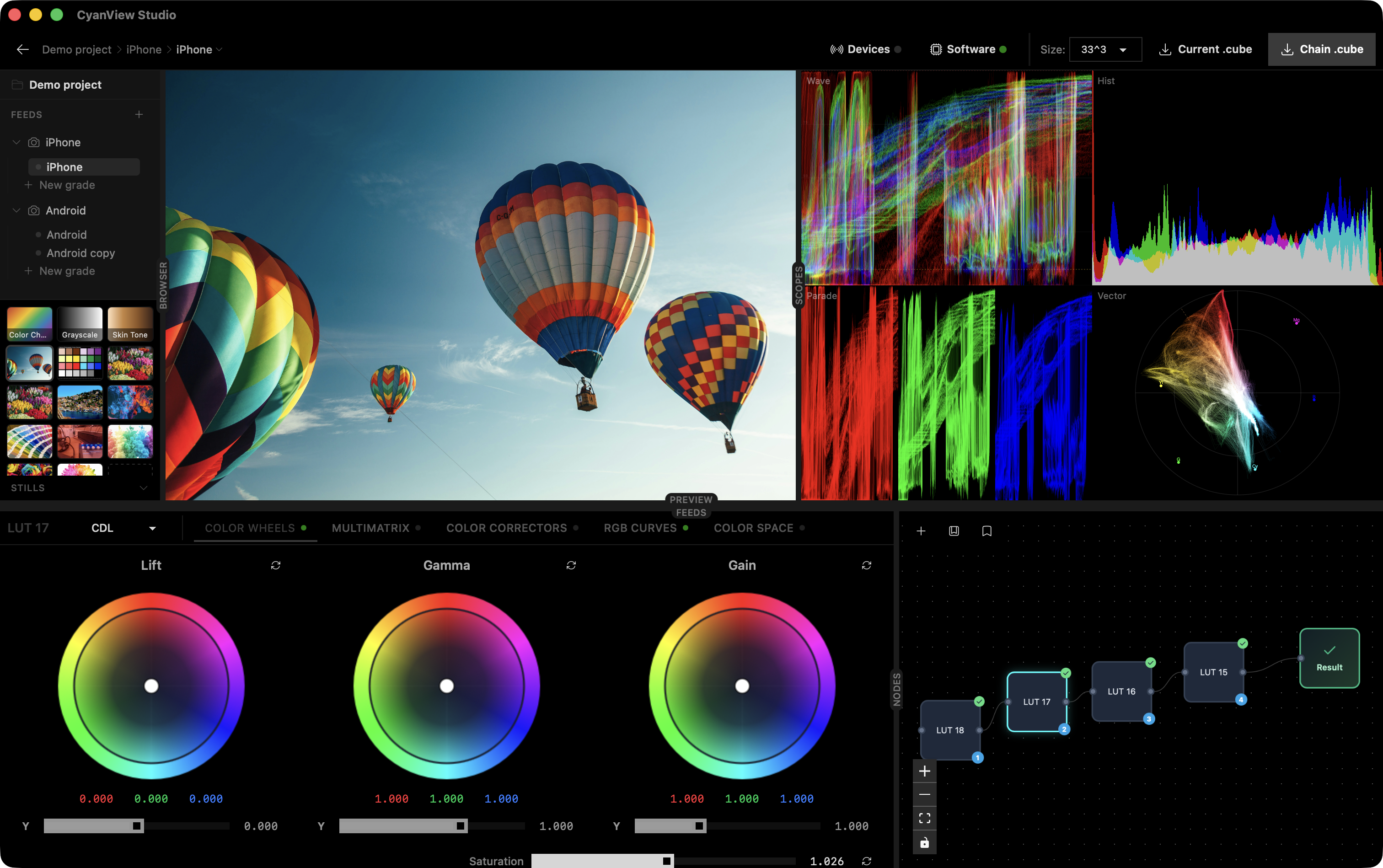
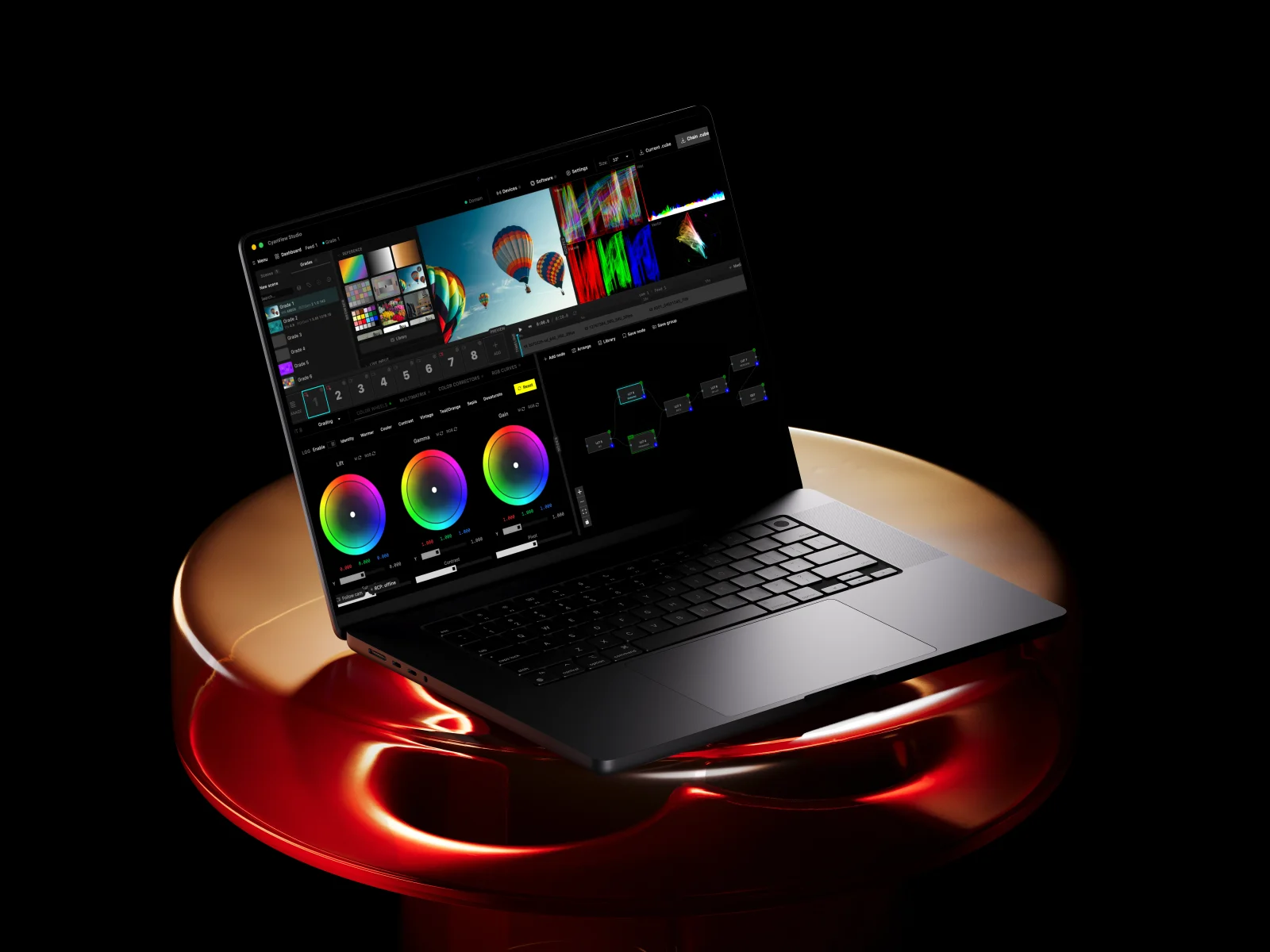
Broadcast grade color scopes, inside a LiveView

A few months ago we needed real video scopes inside our Phoenix app. Not toy histograms. The actual four you see in DaVinci Resolve, Baselight, Nuke: waveform, RGB parade, vectorscope, histogram. Colorists grade with these. If yours are off, people stop trusting the tool within about ten seconds.

I looked at the ticket and thought, “ok, this is where we finally bolt on a separate frontend”. Turns out no. A LiveView hook and about 900 lines of WebGL later, the scopes were running at 30 fps next to the grading controls, and the Elixir side was basically asleep.

Read more →

How We Cut Phoenix Memory from 300MB to 120MB on Embedded

How We Cut Phoenix Memory from 300MB to 120MB on Embedded

At CyanView, we run a Phoenix LiveView application on embedded hardware. Out of the box, the BEAM VM was eating 300MB of RAM at idle and keeping the CPU at 45%. After tuning, we got it down to ~120MB and 5-10% idle CPU.

Here’s exactly what we changed and why each thing matters.

Read more →

Python React to Elixir Phoenix Migration Breakdown

Python React to Elixir Phoenix Migration Breakdown
Due to an NDA we can’t go into specific business details, but here’s the gist: we inherited a SaaS platform in the accounting and document processing space. The system handled document ingestion, automated data extraction, workflow orchestration, and multi-tenant reporting a fairly typical B2B back-office tool. The original stack was maintained by a team of two backend engineers and one frontend developer. What follows is a breakdown of what the migration to Elixir/Phoenix looked like by the numbers.
Read more →

Elixir Phoenix Optimisations iPhone Safari

Elixir Phoenix Optimisations iPhone Safari

If you’re running a Phoenix LiveView application and your iOS Safari users are experiencing frozen pages, slow reconnects, or 10+ second hangs after returning from sleep this article is for you.

I’ve been running a production Phoenix LiveView application. The app worked great on desktop, but iPhone users kept reporting the same thing: the page would freeze or hang for several seconds after switching back from another app or unlocking their phone. Sometimes the page would never recover at all.

Read more →